
Intersex individuals, those born with physical or biological characteristics that do not fit typical definitions of male or female, remain a marginalized and misunderstood population in Kenya. Despite their significant presence, estimated globally at 1.7% of the population, intersex people in Kenya often face stigma, discrimination, and a lack of legal recognition.
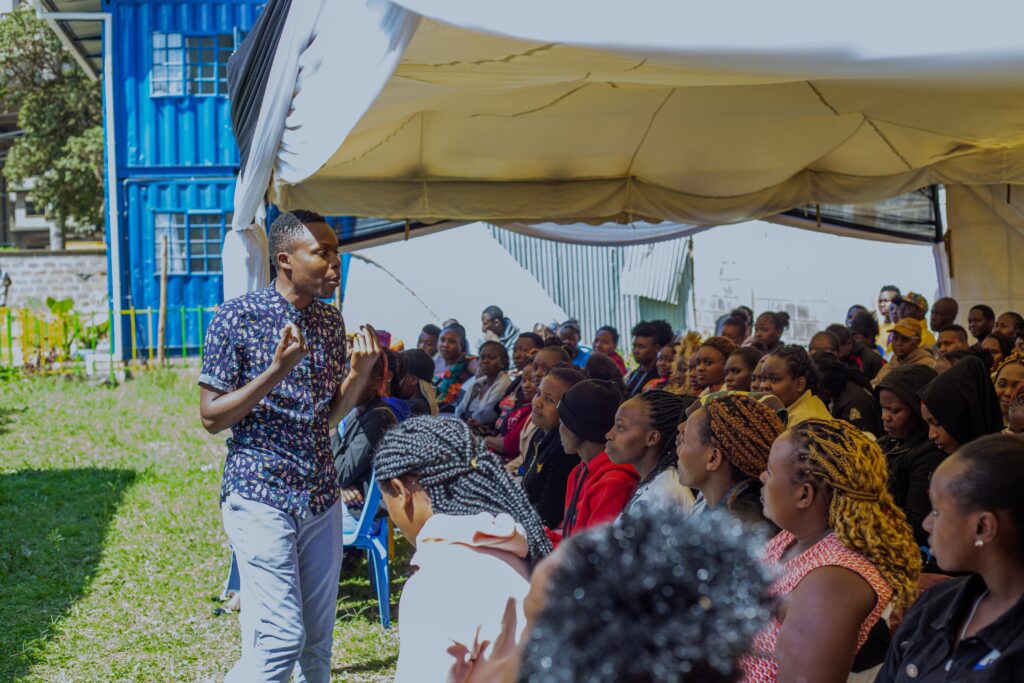
The silence surrounding intersex issues stems from cultural and societal norms that view sex and gender as binary. In many communities, intersex children are often subjected to invasive surgeries to “normalize” their bodies, typically without their consent. These procedures can have lifelong physical and psychological consequences, yet they are justified under the guise of conformity to societal expectations.
However, progress is being made. In 2017, Kenya became one of the first countries in Africa to establish a task force on intersex persons under the Kenya National Commission on Human Rights (KNCHR). The task force recommended recognizing intersex as a third sex category in legal documents, ensuring that intersex individuals can access healthcare, education, and other essential services without discrimination.
In 2022, Kenya marked a milestone with the inclusion of intersex as a category in its national census. This step highlighted the government’s commitment to data-driven policymaking and ensuring intersex individuals are counted and included in national planning.
Despite these strides, challenges remain. Awareness campaigns are critical to dispel myths and educate communities about intersex issues. Advocacy groups like the Intersex Persons Society of Kenya (IPSK) are playing a pivotal role in championing the rights of intersex individuals, providing safe spaces, and lobbying for comprehensive legal reforms.
For Kenya to fully embrace intersex rights, society must foster acceptance and understanding, ensuring intersex persons can live with dignity, free from discrimination, and with their rights fully protected.